Posted on May 21, 2026
Home Invasions: Mental Framing
By: Mitch Eckler
The idea of a home invasion is something almost everyone has considered at some point. Asking yourself what you would do “if” is important. The problem is that many defensive plans sound far better in our heads than they unfold in reality. Stress, darkness, confusion, fear, and unpredictability change everything. Understanding the difference between fantasy and reality is one of the most important parts of protecting yourself and your family.
For many homeowners, the idea of a home invasion is imagined as a dramatic late-night encounter involving a masked intruder forcing entry under the cover of darkness. In reality, most residential burglaries and occupied break-ins are far more opportunistic. FBI crime data consistently shows that a large percentage of residential burglaries occur during daylight hours, commonly between 10 a.m. and 3 p.m., when homes are often empty due to work and school schedules. Criminals typically favor speed, predictability, and low resistance rather than confrontation. Forced entry remains common, but many offenders still gain access through unlocked doors, unsecured windows, garages, and poorly lit access points around the home.
Another major misconception is that intrusions are usually carried out by a single offender. In reality, multiple intruders are extremely common in residential crimes because additional offenders allow for lookouts, intimidation, and faster movement of stolen property. Occupants are home during a notable percentage of burglaries, creating situations where unexpected encounters can rapidly escalate into dangerous confrontations. Most residential burglaries are completed within minutes, with criminals often targeting master bedrooms first in search of cash, jewelry, firearms, prescription medications, and electronics.
This highlights something many people overlook. Effective home defense rarely begins with a firearm. It starts long before an intruder ever attempts entry.
Harden the Home
One of the most common mistakes homeowners make is assuming a locked front door alone provides meaningful security. In reality, rear doors, garage access doors, sliding glass doors, and first-floor windows are often easier and less visible points of entry. Weak strike plates, short mounting screws, poor exterior lighting, and overgrown landscaping can all make a home more attractive to criminals looking for quick access.
Most criminals are not looking for a fair fight. They are looking for the easiest target available.
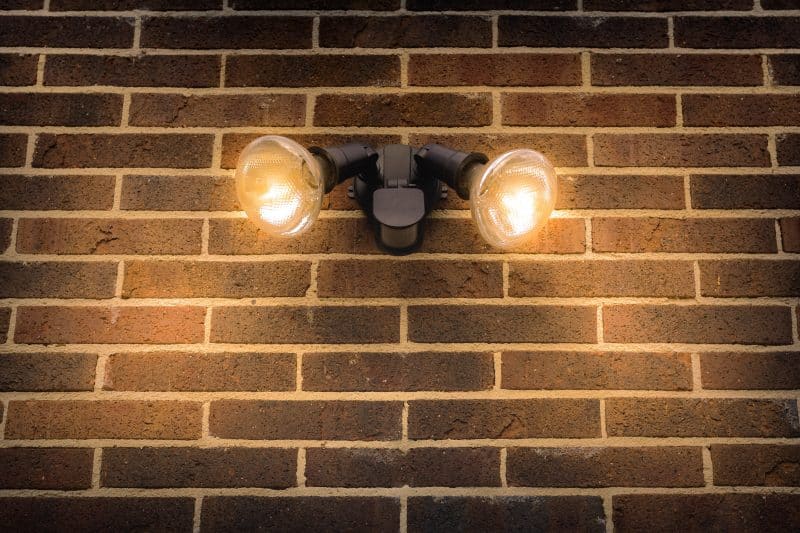
Simple improvements can dramatically increase uncertainty and resistance for an offender. Reinforced strike plates with longer screws, quality deadbolts, motion lighting, trimmed landscaping, security film on windows, and visible cameras all create hesitation. Dogs remain one of the most effective early warning systems available because they create noise, unpredictability, and attention.
Layered security is the key. Alarms, cameras, lighting, reinforced doors, and visible occupancy all work together to make a criminal reconsider whether your home is worth the risk.
The goal is not to create an impenetrable fortress. The goal is to convince the offender to move on to an easier target.
Firearm Is Only a Piece of the Puzzle
Many homeowners focus entirely on buying firearms while neglecting broader emergency planning. Owning a defensive firearm without having a family communication plan is like buying a fire extinguisher without knowing where the exits are.
Under stress, confusion becomes dangerous very quickly.
Many families have never discussed what happens if a break-in occurs at night. Parents may move in different directions. Children may leave their bedrooms unexpectedly. One spouse may think the plan is to barricade while the other attempts to investigate noises downstairs. These misunderstandings become extremely dangerous during real emergencies.
Every household should have a basic emergency plan. This includes identifying rally points, determining who calls 911, accounting for children, and deciding where occupants should move during a crisis. A designated safe room or defensive position inside the home can provide time, communication, and protection while law enforcement responds.
A reinforced bedroom door, charged phone, flashlight, and accessible trauma kit can become critically important during these moments. Even something as simple as rehearsing verbal communication can help reduce panic under stress. The firearm itself is simply one tool within a much larger system of preparedness.
Stop “Clearing” the House
Hollywood and internet culture have created unrealistic ideas about home-defense encounters. Many people imagine themselves confidently moving through dark hallways searching for intruders while armed, as if they are the main character in an action movie.
In reality, clearing a structure alone is extraordinarily dangerous.
Professional law enforcement and military teams conduct room clearing with multiple people, communication, equipment, and training because structures are dangerous environments. Blind corners, narrow hallways, concealed positions, low light, and unknown numbers of offenders create massive disadvantages for anyone moving through the home alone.
Homeowners also fail to consider how unpredictable family members can become during emergencies. Children may panic and move unexpectedly. Spouses may investigate noises independently. Mistaken identity becomes a very real concern inside dark structures under stress.
For many situations, maintaining a fortified defensive position while protecting loved ones and communicating with law enforcement may be the safer and smarter option than unnecessarily searching the home.
That may not sound exciting, but reality rarely is.
Medical Gear
One of the most surprising oversights in many homes is the complete lack of emergency medical equipment. People will spend thousands on firearms, optics, and security products while keeping no meaningful trauma supplies available.
Violent encounters create medical emergencies very quickly.
Gunfire, shattered glass, falls, edged weapons, and blunt force injuries can all produce life-threatening bleeding before EMS ever arrives. A basic trauma kit with tourniquets, pressure dressings, gloves, and wound-packing materials should be staged somewhere accessible in the home. More importantly, homeowners should understand at least basic bleeding-control principles.
Medical preparedness also extends beyond trauma gear. Backup lighting, charged phones, accessible emergency contacts, and reliable communication all become important during high-stress incidents.
Preparedness is not paranoia. It is responsibility.
Criminals Love Predictability
Criminals often rely on routine and observation more than people realize. Homeowners who leave and return at the same times every day, advertise vacations online, leave packages visible for hours, or maintain obviously empty homes can unintentionally create opportunities for targeted burglary.
Social media has dramatically increased how much information strangers can gather about people’s routines. Photos posted in real time from airports, restaurants, or vacations may unintentionally announce that a home is empty. Consistent routines can also help criminals predict occupancy patterns with surprising accuracy.
Varying routines when possible, using timers on lights, collecting packages promptly, and being cautious about publicly sharing travel plans can all help reduce vulnerability. Even small efforts to create uncertainty can discourage criminal targeting.
Final Thoughts
For many people, the reality of a home invasion feels distant. It feels like something that happens somewhere else to someone else. Unfortunately, deciding not to prepare because “it won’t happen to me” is one of the fastest ways to remain completely unprepared if it ever does.
Home defense is not about fantasy scenarios or prolonged gunfights. It is about preparation, awareness, communication, and layered security. It is about making your home a less attractive target while giving yourself and your family the best possible chance of surviving a worst-case situation.
Protect your home and your family by making sure your house is not an easy opportunity. And if it does become a target, have a plan for how to respond mentally and physically under duress.
Be the reason they failed their target selection process.
Stay safe.
—
Mitch Eckler
Follow Mitch on Instagram @the_bad_gunsmith, X, and YouTube @MitchEckler // Hang Fire TV